Monday, February 6, 2012

BLOG BUTTONS!!!! How-To

I FINALLY MADE A FEW SIMPLE BUTTONS FOR MY BLOG!!! They are located in my left sidebar, feel free to take one to display on your blog! I plan to make more, and will make a page dedicated to my buttons, with a tutorial on how to make buttons. Here are the 2 I've made so far!


How To Make Blog Buttons:

  1. Pick a picture you want to use. It doesn't matter what picture you use, but you'll need to crop, and resize to measure 150 pixels wide. This measurement is so that the button fits in a typical blog's sidebar, without getting cut off. You can do all of this on photobucket for free.
  2. Add text. You will probably want to display your blog name in the button. You don't have to, but it gives people an idea of what blog their clicking on. Once again, this is super simple and free to do on photobucket.
  3. Create sidebar area for your button. You'll need to create 'Text' gadget/widget for your button. 
  4. HTML for your button. Once you decide where you're going to display your button for followers to grab, Copy the following URL to place in the text area of your gadget. Be sure to replace 'yourblogURL' with your blog URL, and yourdirectlinkURL' with the direct URL of your image.

    <a border="0" href="yourblogURL" target="_blank"><img src="yourimagedirectlinkURL"/></a>

    The following is how you find the direct URL of your image from photobucket: 


Now you gotta make a text are for your button. You can do this in the same text gadget your image is in. Just paste the following code a few lines below your picture:

<textarea rows="4" cols="16">

Paste the same HTML code you used for your picture, in step 4, and finish with

</textarea>

Click save, and that's pretty much all there is to it! I'd be happy to answer any questions you may have, and I will be making more buttons soon! Thanks!

Sunday, February 5, 2012

herbalism: Chamomile

Herb of the day: Chamomile
(Maticaria Recutita)


Chamomile is known for it's calming qualities. It is in the daisy family, and indigenous to Europe, although it has made its way to grow all over the world.

USES:
Anxiety, insomnia, skin, stomach pain, menstruation pain, common cold, diarrhea,

CONSUMPTION:
Chamomile can be consumed in tea form, or, Aromatherapy using chamomile oil, also is very calming.

Saturday, February 4, 2012

Herbalism: Passionflower

Herb of the day: Passionflower
(Passiflora caerulea)


Passionflower is a very exotic looking plant that is native to North and South America.
The Spanish named it because of its color, the crown, and thorns reminded them of the suffering of Christ.

USES:
Anxiety, depression, insomnia, epilepsy, drug withdrawal, Nerve pain, PMS, loss of sex drive, lowers blood pressure, hyperactivity, 

CONSUMPTION:
Passionflower is safe to be taken in tea form, or tincture form. The flower, leaves, and stem are all safe to consume.

Friday, February 3, 2012

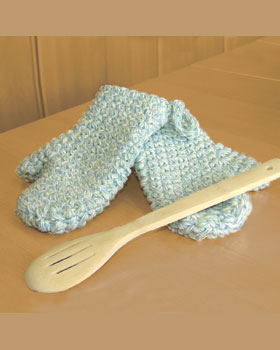
Fave Crafts | crochet oven mitts

Free Pattern, Fave Crafts


Herbalism: Elderberry

Herb of the day: Elderberry


Elderberry has many uses. It's been used in European medicine for centuries. Significantly known for fighting flu symptoms, 


USES:
Cough, arthritis, asthma. constipation, colds, flu, lowers cholesterol, bacterial, viral infections, tonsillitis, improve vision, boost immune system, weight loss, 

Catch up! 365: days 24-32

 This is my current knitting:

Horay for Dr. Bronner's:


The poetry magnets on my fridge:


This is a corner of my notebook cover. I love it:


Thursday, February 2, 2012

Herbalism: Butterbur

Herb of the day: Butterbur
(Petasites officinalis)


Native to Europe, this herb was used in the middle ages to treat the 'Black Death.' Grows in very wet soil and its leaves look similar to Rhubarb.


USES:
Headaches, asthma, cough, fever, hay fever, common cold, stomachache, arthritis, stress, nervousness, allergies, urinary tract, kidney stones.
Can also be used externally for wounds, and swellings.

Aromatherapy: The leaves are sweet smelling, and the scent is very calming. Known to drive off nightmares and help with sleep disorders.


Tuesday, January 31, 2012

Herbalism: Fever Few

Herb of the day: Fever Few


Fever few is indigenous to Europe, but has made it over to the Americas.


USES:
Only use fever few in tea form. most commonly used for Migraines, joint pain, menstrual crams, vertigo, nausea, vomiting, diarrhea,
Do not ingest if pregnant, fever few can cause premature birth or miscarriage.

Monday, January 30, 2012

I won a give away!!!

i won a $100 giveaway at craftsy with Hart's Fabric, placed my order, and should be getting to my house tomorrow!

Here's what I ordered,

1 Floral print pin cushion, $3.99

1 Clover small needle felting mat, $9.99

1 Clover, pen style, needle felting tool, $14.99

Simple Times: Crafts for Poor People, $27.99

The Liberty Book of Home Sewing, $27.99

Cranberry Organic Hemp Wool, 2 skeins, $6.99/each

Cocoa Brown Felt fabric square, $0.59


My new facial regime

Photo, courtesy of Crunchy Betty
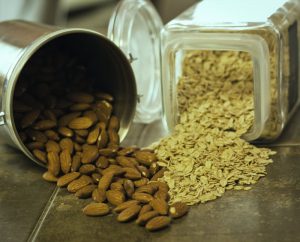
I have been using Crunchy Betty's daily scrub for a few weeks or so now. And it has made a DRAMATIC improvement for my skin. I tweaked it a little bit to fit my personal preferences, (added a drop or two of honey, and a drop or two of Dr. Bronner's magic soap onto my wash cloth before I wash my face with it.)

The only thing the scrub consists of is 50/50 crushed almonds, and crushed oats. I poor a little bit into a small bowl and add a few drops of water, honey, and Dr. Bronner's soap.

After the cleans I swipe a bit of apple cider vinegar, diluted in water, over my whole face.
My last step is a very small amount of Aloe Vera gel, a few drops of tea tree oil, and a few drops of vitamin E oil, mix it in my hands, and gently massage over my face.

And that's how I cleans my face day and night. It has made such an improvement. I have always struggled pretty hard with acne, and in the last week, it has nearly diminished to nothing!

Mushroom chart

I just think mushrooms are so cool looking

Herbalism: Rose Hips

Herb of the day: Rose Hips


Rose hips contain an extraordinary amount of vitamin C (50 times more than citrus) along with many other nutrients like, vitamins D, A, and E, essential fatty acids, and antioxidants.

USES:
antiviral, ant-inflammatory, Cardio health, skin, digestion, arthritis and joint pain, nerve calming, depression, anxiety, nervousness, dizziness, headaches

Friday, January 27, 2012

Herbalism: Herbal cures for headaches

CURE: HEADACHES

There are many reasons people get headaches. A good idea is to be sure to drink PLENTY of water. I get headaches when I haven't been drinking enough water, or getting enough nutrition.

Helpful herbs:

These following herbs may be taken in tea form.

As a good base, I would try drinking chamomile or peppermint tea. Neither are known to be a pain reliever, but they are very calming. Feverfew (migraines), butterbur (migraines), passionflower, White willow bark (A fairly high dose), Black cohosh, The Chinese like to take ginger for headaches (Raw or in tea form)

Aromatherapy is also known to be very powerful. Rubbing a few drops of lavender oil on your temples, or a few drops below your nose is very calming. You may also try inhaling peppermint steam. Or take a bath in relaxing scents, such as chamomile.

Wednesday, January 25, 2012

Herbalism: Cinnamon

Herb of the day: Cinnamon

Cinnamon is not well-known to be healthy. Normally, it is mixed with sugar.
But, it is rich in vitamin C, and anti-oxidants. A small amount in tea or something is actually healthy. In small amounts. Cinnamon in very large doses can be toxic.

USES:
Blood circulation, blood sugar-control, colon health, anti-inflammatory, anti-oxidant.